I don’t take a model’s word for it.

I design experiments that reveal what evidence AI systems actually use. That work has already led to two accepted papers on whether models understand individual students and when they should admit uncertainty.

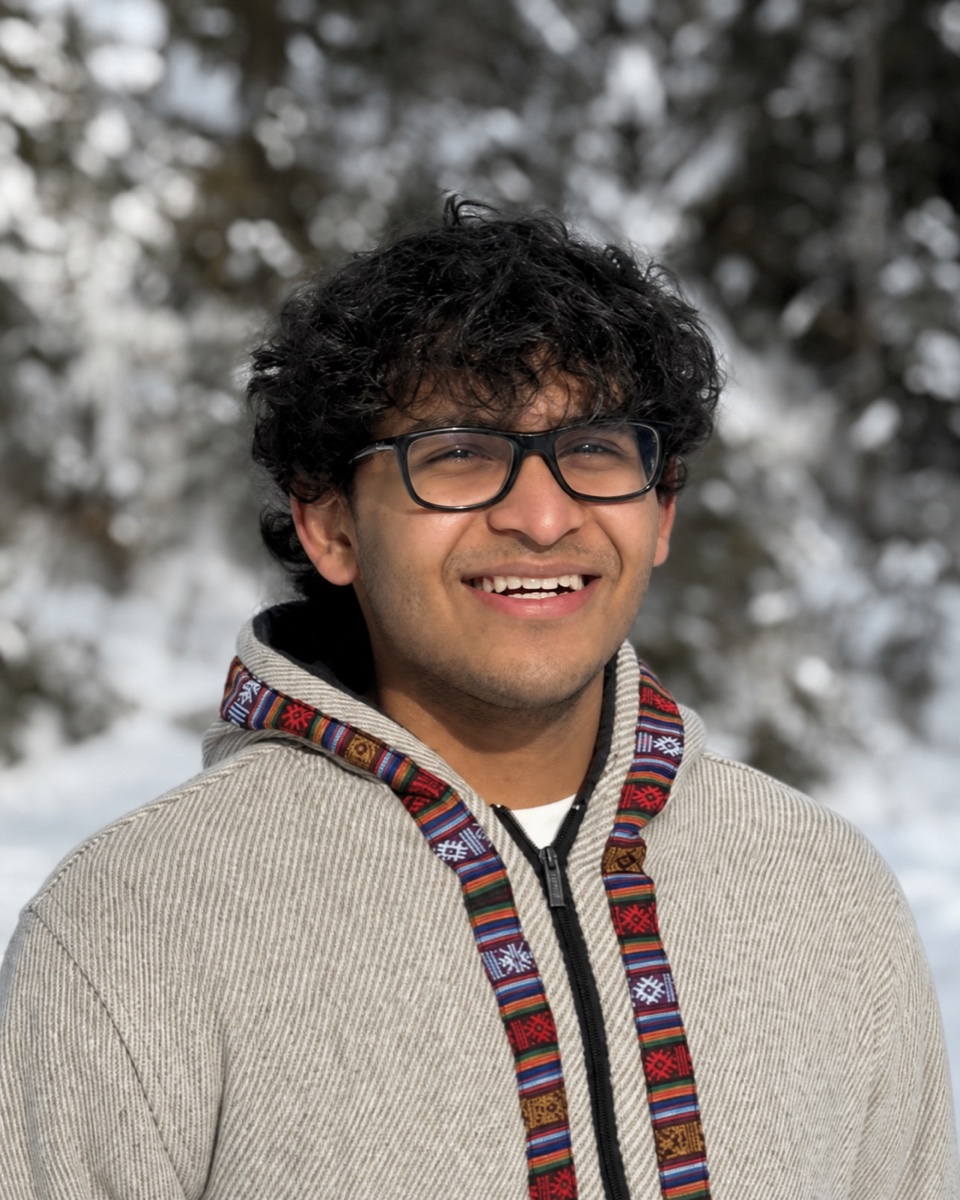
Headshot of Shlok Shah smiling in a snowy forest

I keep looking underneath.

AI models can sound convincing even when they are wrong. My research asks how we can tell whether a model is using the right evidence, rather than merely producing a plausible answer. I test this by changing one thing at a time and watching how the answer changes.

I began by studying how AI tools can support students learning to code. That work led to two accepted papers and a broader interest in AI safety and what happens inside a model—not only what it does from the outside. I completed an Honours BSc in Computer Science at UBC Okanagan.

I had a license to fly before I had a license to drive. Now I fly planes and paragliders, and kiteboard too—because apparently one way to negotiate the wind wasn’t enough.

Questions I can’t leave alone.

Two papers about whether AI systems understand individual students—and how honest they are about uncertainty.

SIGCSE Virtual 2026

Do LLM Student Models Track the Student or the Situation?

Tests whether AI predictions about students are truly personal. When a model could not see a student’s work history, its predictions looked far more alike than the students’ actual next submissions.

ICL 2026

Towards Belief Attribution with Instructor-Facing LLMs

An AI tool for instructors that suggests possible student misconceptions while showing when it is uncertain. The aim is useful feedback without pretending the model knows more than it does.

Thoughts still taking shape.

Notes on AI research, how models make decisions, and questions still in progress.